Early Signs of Spring – and Invasive Species to Watch
As the days lengthen and the first signs of spring begin to appear along our rivers, it’s not just native wildlife that’s waking up. Some of the earliest plants to emerge are invasive non-native species (INNS) and spotting them now is one of the most effective ways to protect our chalk streams.
Spring is a key moment in the INNS calendar. Before vegetation becomes dense and fast-growing species take hold, early detection gives us the best chance to act.
A Standout Early Riser: American Skunk Cabbage
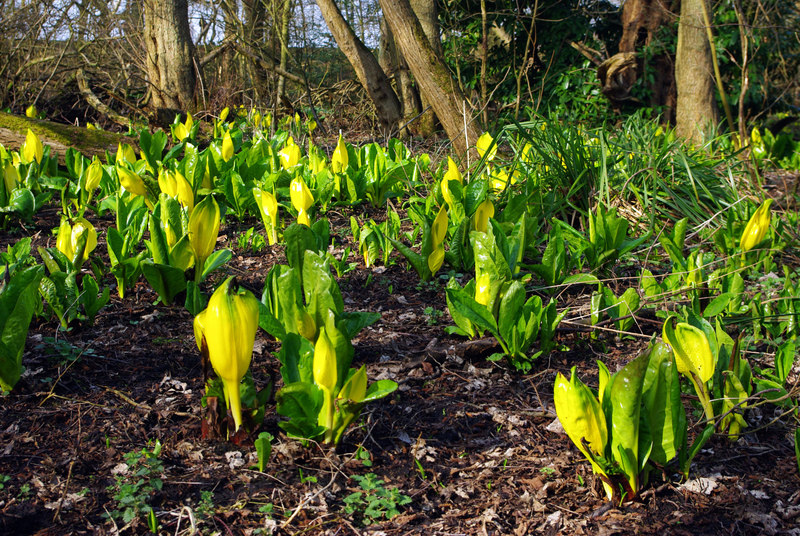
One of the most noticeable species at this time of year is American skunk cabbage (pictured above).
With its bright yellow, hood-shaped flowers appearing in late winter and early spring, it stands out in wet woodland and along stream edges - often before most native plants have even emerged. But while it might look striking, it’s a serious problem for our rivers.
Skunk cabbage spreads quickly, forming dense patches that shade out native plants and alter sensitive wetland habitats. Once established, it can be difficult to control, making early identification especially important.
If you’re out walking near damp areas this spring, keep an eye out - you might spot it before anything else is in flower.
What Else to Look Out for This Spring
As we move further into spring, several other invasive plants begin to emerge:
• Himalayan balsam – Small seedlings appear early, before growing rapidly into tall plants later in the season.
• Monkey flower – Often found along stream edges, forming spreading mats that crowd out native species.
• Orange balsam & water fern – Increasingly found across the catchment and a focus of ongoing control work.
Catching INNS early in the year is crucial:
• Plants are easier to remove before they establish
• Seed spread can be prevented
• It reduces long-term impact on river habitats
A quick sighting in spring can save years of work down the line.
A Growing Effort Across the Test & Itchen
Our INNS programme continues to grow, thanks to the dedication of staff, partners, and volunteers.
In 2025, we had another fantastic delivery season:
• 31km surveyed, bringing our total to 152.3km
• 18 volunteer removal days
• 75 volunteers contributing the equivalent of 50 days’ work
Together, we tackled species like skunk cabbage, Himalayan balsam and monkey flower—helping to protect our precious chalk streams.
A huge thank you to Dan for leading the season, and to every volunteer who gave their time to support this work.
What’s happening in 2026
This year marks an exciting step forward for the project.
As the Watercress and Winterbournes Project comes to an end, we’ll be expanding into new headwater areas - building on the incredible work led by Maggie Shelton and connecting established volunteer groups across the catchment.
Our plans include:
• Surveying key areas like the Tanners Brook
• Monitoring for high-alert species such as water primrose on the Blackwater
• Expanding our presence in the headwaters
Alongside this, we’ll continue control work across managed sites, targeting monkey flower, Himalayan balsam, orange balsam and water fern.
Working Beyond Plants
Our INNS work doesn’t stop at vegetation.
Over winter, we’ve been strengthening our mink monitoring network, linking in with the Waterlife Recovery Trust South East project. While our local approach relies on dedicated river keepers rather than smart traps, this regional collaboration helps us tackle invasive species at a much larger scale—because, as we know, they don’t respect catchment boundaries.
Get Involved This Spring
With a busy season ahead, there are plenty of ways to get involved:
• Join one of our volunteer task days (training provided - plus biscuits!)
• Keep an eye out for invasive species when you’re out and about
• Help us spot new areas early
We’ll also be celebrating INNS Week (22nd–28th June) with a range of events, including our first online evening talk.
Stay Connected
Our project is growing every year, and we want to keep you up to date.
We’re launching a new biannual INNS newsletter to share progress, events and opportunities to get involved.
To sign up, register as a volunteer, or find out more, contact:
courtney@wessexrt.org.uk