Restoring Wessex’s Chalk Streams: A Landscape Recovery Opportunity
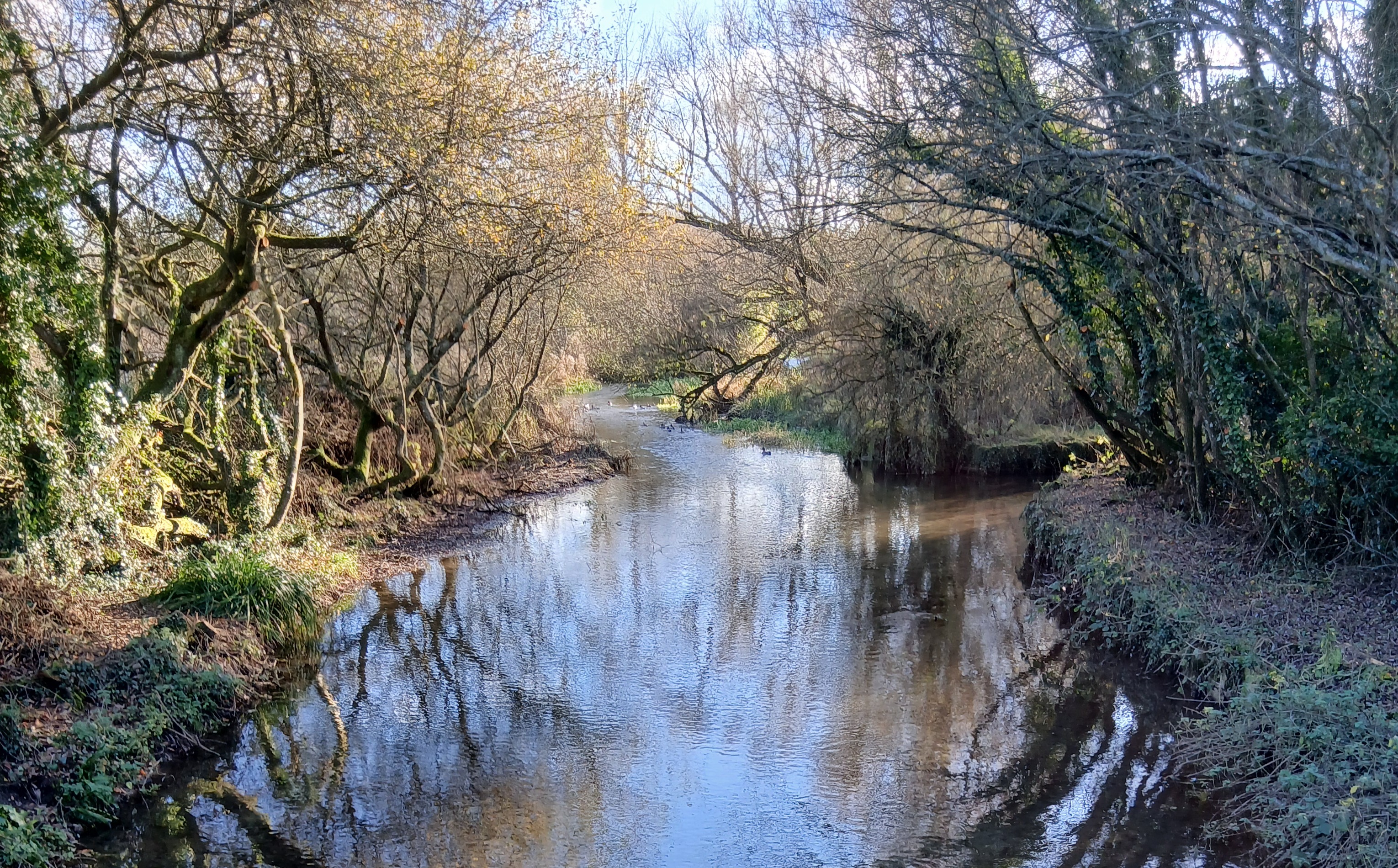
Wiltshire’s River Wylye and Dorset’s River Allen are two of Wessex’s most iconic chalk streams. These rare and fragile ecosystems are home to Atlantic salmon, wild brown trout, vibrant beds of water crowfoot, and nationally scarce species such as stoneflies. They are not only biodiversity hotspots but also deeply valued landscapes for local communities and visitors alike.
Yet these rivers are under increasing pressure. Pollution, habitat degradation, and over-abstraction, combined with the intensifying impacts of climate change, are placing their long-term health at risk. Without intervention, these unique environments face continued decline.
A Catchment-Scale Vision
Restoring the health of chalk streams requires a holistic, catchment-scale approach, one that considers the entire landscape from headwaters to floodplains. Historically, delivering this kind of large-scale change has been challenging due to social and economic constraints.
However, new opportunities are emerging. The UK’s post-Brexit Environmental Land Management Schemes (often referred to as ‘ELMS’), particularly the Landscape Recovery Scheme (LRS), are designed to reward farmers and land managers for delivering public goods. These include supporting net-zero goals, protecting designated sites, and creating and restoring habitats.
For rivers like the Wylye and the Allen, this presents a rare opportunity to deliver meaningful, long-term change on a scale like never before.
Building Ambitious Restoration Projects
Following two successful project development bids to Defra in 2024, the Trust has been working in partnership with Wiltshire Wildlife Trust, Wylye Valley Farmers, River Allen CIC, and local angling clubs. Together, we are developing two of the most ambitious chalk stream restoration projects in the country.
At the heart of both proposals is a bold vision, restoring the natural connection between river and floodplain across more than 20 kilometres of currently under-utilised farmland.
Reconnecting rivers to their floodplains can:
• Improve resilience to extreme temperatures and flow conditions
• Enhance natural flood management
• Capture and reduce excess nutrients and pollutants
• Support richer, more diverse habitats for wildlife
Alongside ecological restoration, the projects also address the practical requirements of delivery, ranging from technical design and environmental scoping to legal agreements and the integration of private finance.
The Work Behind the Vision
Developing projects at this scale requires a robust evidence base. Extensive environmental baselining and forecasting underpin both schemes, ensuring that future investment is targeted effectively.
Surveys and assessments have covered:
• Biodiversity and habitat condition
• Water quality and water quantity
• Land use and farming practices
• Visitor numbers and public engagement with nature
This data has enabled the creation of a blended finance plan, outlining how the projects could be funded, at what scale, and by whom. It also supports the development of comprehensive land and river management plans, covering everything from fisheries management to farming activity and habitat restoration.
Balancing nature recovery with public access is another key priority. Both projects aim not only to enhance ecological outcomes but also to improve the quality of existing access and deepen people’s connection with these landscapes.
Looking Ahead
Like all conservation funding opportunities, the Landscape Recovery Scheme is highly competitive, and there is no guarantee that these projects will be taken forward by Defra.
However, regardless of the outcome, the work undertaken over the past two years represents a significant achievement. It has created an unprecedented foundation for large-scale chalk stream restoration in Wessex, one that can be adapted and delivered through alternative funding routes if needed.
In many ways, this is just the beginning. The partnerships, data, and shared ambition developed through this process have positioned us to take forward transformative change for some of England’s most precious rivers.